
What Is an Occlusal Orthotic Device — and Could It End Your Jaw Pain?
If you wake up with a sore jaw, dull headaches, or neck tension — or if your dentist has noticed your teeth are wearing down faster than they should — there’s a good chance your bite is the culprit. A misaligned or stressed bite creates a chain reaction that affects your jaw joints, your muscles, and your teeth around the clock. One of the most effective solutions Dr. Albadran offers at Richmond Dental Spa is the occlusal orthotic device — a precision-calibrated appliance that repositions your jaw and gives your entire system a chance to decompress and heal.
What Is an Occlusal Orthotic Device?
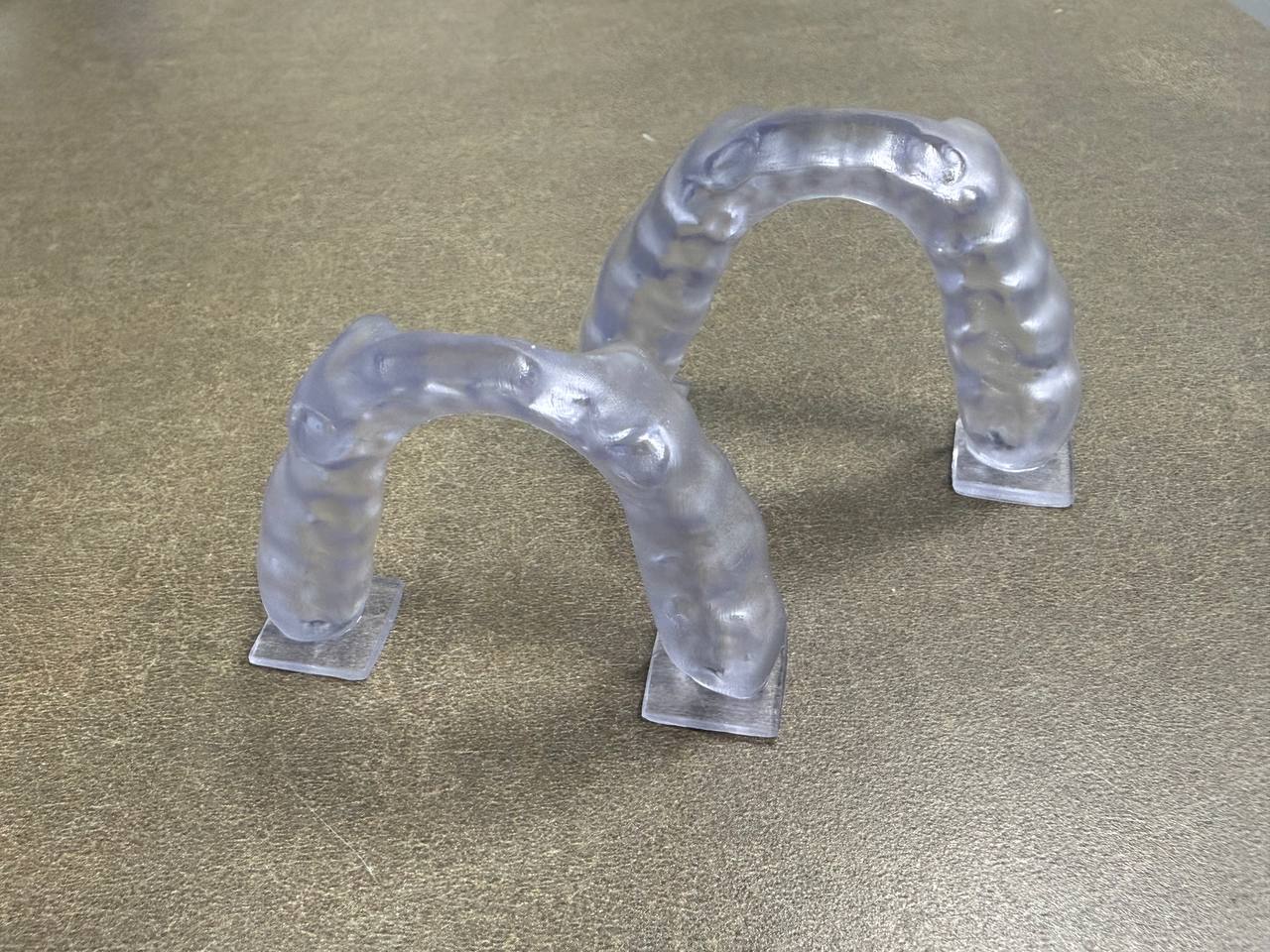
An occlusal orthotic (also called an occlusal splint or jaw orthotic) is a custom-fitted dental appliance worn over the teeth — typically at night, though some patients wear it during the day as well. Unlike a generic drugstore night guard that simply puts a layer of plastic between your teeth, a true occlusal orthotic is precisely calibrated to your bite. It’s designed to hold your jaw in a therapeutically correct position that reduces muscle tension, joint compression, and grinding forces.
The goal isn’t just to protect teeth — it’s to correct the underlying bite relationship that’s causing the problem in the first place.
💡 Important distinction: A drugstore night guard absorbs force but does nothing to correct jaw position. An occlusal orthotic is a therapeutic device — it’s built from a detailed bite analysis and physically repositions the mandible (lower jaw) to reduce stress on the TMJ and surrounding musculature.
Signs You May Need an Occlusal Orthotic
Many patients don’t realize their symptoms are bite-related. Here are the most common signs Dr. Albadran looks for:
- Morning jaw soreness, stiffness, or fatigue
- Chronic headaches, especially upon waking
- Neck, shoulder, or temple muscle tension
- Clicking, popping, or locking of the jaw joint (TMJ)
- Teeth grinding (bruxism) — noticed by you or a partner
- Worn, chipped, or flattened tooth surfaces
- Tooth sensitivity that has no obvious decay cause
- Pain when chewing or biting
- Ear pain or fullness with no ear infection present
If you recognize three or more of these, a bite evaluation is worth scheduling. These symptoms rarely resolve on their own — and the longer grinding and clenching continue, the more damage accumulates.
How It Works — The Science Behind Jaw Repositioning
The Bite-Muscle-Joint Connection
Your jaw muscles, teeth, and temporomandibular joints (TMJ) function as an integrated system. When your bite is off — even slightly — the muscles that control jaw movement compensate by working harder and holding tension. Over time this creates chronic muscle overload, joint inflammation, and accelerated tooth wear. The occlusal orthotic interrupts this cycle by placing the jaw in a position where the muscles can relax and the joints are decompressed.
What “Correct Jaw Position” Means
Dr. Albadran uses a combination of bite analysis, muscle palpation, and jaw tracking to identify your neuromuscular rest position — the jaw position where your muscles are at their lowest tension state. The orthotic is built to hold this position, so every time you wear it, you’re training your system toward a more relaxed, functional baseline.
Nighttime Is When the Damage Happens
Most bruxism (grinding and clenching) occurs during sleep, when you have no conscious control over it. The forces generated during sleep grinding can exceed 250 lbs per square inch — far more than normal chewing forces. Without protection, this wears enamel, fractures teeth, and progressively damages the TMJ. Wearing the orthotic at night intercepts those forces before they cause irreversible damage.
Occlusal Orthotic vs. Generic Night Guard — What’s the Difference?
| Feature | Generic Night Guard | Custom Occlusal Orthotic |
|---|---|---|
| Fit | One-size or boil-and-bite | Precision-fitted to your teeth |
| Jaw position | Passive — no repositioning | Actively corrects jaw to therapeutic position |
| Muscle relief | Minimal | Significant — targets neuromuscular rest position |
| TMJ decompression | None | Yes — reduces joint loading |
| Durability | Months | Years with proper care |
| Therapeutic benefit | Protects teeth only | Treats root cause of bite dysfunction |
What to Expect at Richmond Dental Spa
Step 1 — Bite & TMJ Evaluation
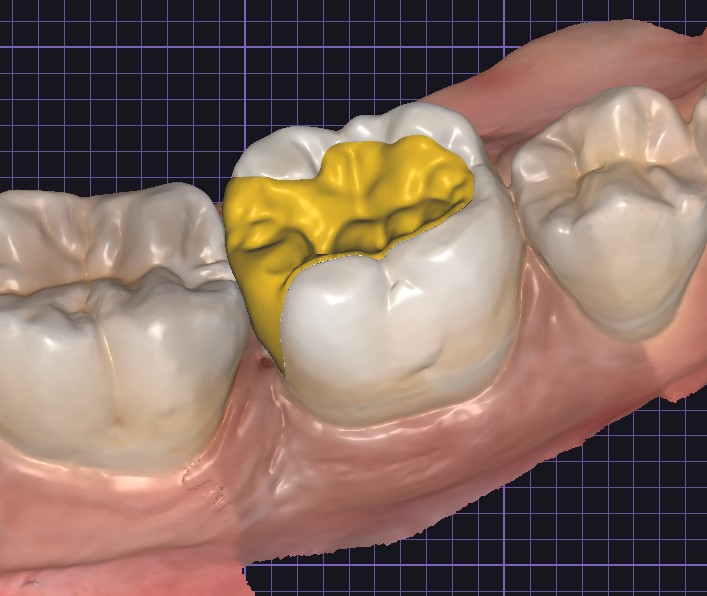
Dr. Albadran performs a comprehensive evaluation that includes examining your bite relationship, palpating the jaw muscles for tension points, assessing TMJ function, and reviewing any existing tooth wear patterns. This isn’t a quick check — it’s a thorough diagnostic process that informs exactly how your orthotic needs to be built.
Step 2 — Impressions & Fabrication
Precise impressions of your teeth are taken and sent to a dental lab that specializes in orthotic fabrication. Your device is built to exact specifications — the thickness, contact points, and jaw angle are all determined by your diagnostic findings, not a generic template.
Step 3 — Fitting & Calibration
When your orthotic arrives, Dr. Albadran fits it carefully and makes chairside adjustments to ensure the bite contacts are even and the jaw sits in the correct therapeutic position. This calibration step is what separates a true orthotic from an off-the-shelf guard.
Step 4 — Follow-Up & Monitoring
Most patients notice improvement in jaw soreness and morning headaches within 2–4 weeks. Follow-up appointments allow Dr. Albadran to fine-tune the orthotic as your muscles adapt and your jaw settles into its new resting position.
💡 Can an orthotic replace Botox for TMJ? Sometimes — and sometimes they work best together. For patients with severe muscle hyperactivity, Dr. Albadran may recommend combining the occlusal orthotic with therapeutic neurotoxin injections (Botox) to the masseter and temporalis muscles. The injections reduce the muscle’s ability to generate grinding force; the orthotic corrects the jaw position. Combined, they address both the symptom and the structural cause.
Does Insurance Cover Occlusal Orthotics?
Coverage varies by plan. Many dental insurance plans cover occlusal orthotics partially when there’s documented TMJ dysfunction or bruxism. Medical insurance (not dental) sometimes covers them when TMJ disorder is diagnosed as a medical condition. Dr. Albadran’s team will verify your benefits before treatment and explain your out-of-pocket costs clearly. CareCredit financing is also available.
Occlusal Orthotic Devices in Richmond, VA — Serving Henrico County & Beyond
Richmond Dental Spa is located at 9305 Quioccasin Rd, Suite A, Richmond, VA 23229. Dr. Albadran serves patients from Richmond, Henrico County, Short Pump, Glen Allen, and the greater Richmond metro area. If you’ve been dealing with jaw pain, grinding, or TMJ symptoms and haven’t found a lasting solution, a bite evaluation with Dr. Albadran is the right next step.
Jaw Pain Doesn’t Have to Be Your Normal.
Schedule a bite evaluation with Dr. Albadran and find out if an occlusal orthotic is right for you. Same-day appointments available for urgent cases.