
What Is Biomimetic Dentistry — and Why Richmond Patients Are Choosing It
If you’ve ever sat in a dental chair and heard “you need a crown” — you may have accepted it as the only option. But there’s a growing movement in modern dentistry that challenges that assumption. It’s called biomimetic dentistry, and it’s one of the most important advances in conservative dental care in the last 30 years. At Richmond Dental Spa, Dr. Firas Albadran has built his entire clinical approach around it.
What Does “Biomimetic” Actually Mean?
The word comes from Greek: bios (life) and mimesis (imitation). Biomimetic dentistry means designing restorations that mimic the natural tooth — in appearance, function, flexibility, and stress distribution. Instead of cutting down a healthy tooth to fit a crown, biomimetic dentistry finds ways to bond, seal, and restore what’s already there.
Traditional dentistry often removes far more tooth structure than necessary. The logic was: a crown covers everything, so it protects everything. The problem? Every time you cut a tooth, you weaken it. Each restoration is a step closer to a root canal, and eventually, extraction.
💡 Key stat: Research shows that biomimetic techniques can reduce the need for root canals in treated teeth by up to 90% compared to conventional crown preparation — because the tooth’s natural structure is left intact.
How Biomimetic Dentistry Is Different
1. Minimal Removal, Maximum Preservation
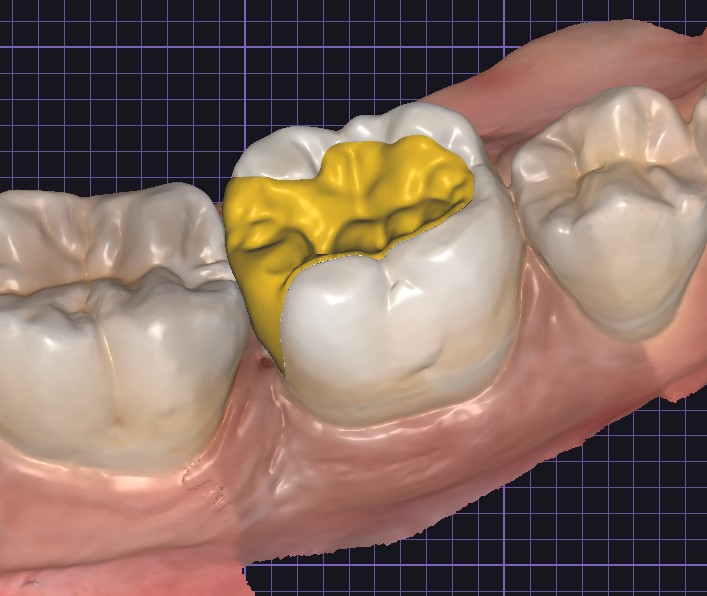
Instead of grinding down a tooth to a nub for a crown, biomimetic dentistry uses precision bonding layers that attach directly to healthy enamel and dentin. The goal is always to remove only what’s damaged — nothing more. Your natural tooth structure is the best possible foundation for any restoration.
2. Restorations That Flex Like Real Teeth
Natural teeth flex slightly under biting forces. Traditional metal or ceramic restorations don’t — and that mismatch creates micro-fractures and stress over time. Biomimetic restorations are engineered to match the flexural properties of natural dentin, which means they behave more like a real tooth under load. Less stress, fewer cracks, longer life.
3. Superior Sealing Prevents Future Decay
One of the leading causes of restoration failure is microleakage — tiny gaps between the filling and the tooth that allow bacteria to seep in and cause secondary decay. Biomimetic bonding protocols create a vastly superior seal compared to traditional techniques, dramatically reducing the chance of decay recurring under a restoration.
4. Works Hand-in-Hand with Deep Margin Elevation (DME)
When decay extends deep below the gumline — an area traditional dentistry often can’t reach without cutting the gum or recommending extraction — Dr. Albadran uses Deep Margin Elevation to bring the restoration margin above the gumline before bonding. This makes biomimetic techniques accessible even in complex cases that other dentists would crown or extract.
Who Is Biomimetic Dentistry For?
- Patients who’ve been told they need a crown but want to explore alternatives
- Patients with cracked teeth or deep decay who want to preserve as much natural tooth as possible
- Patients who’ve had multiple fillings fail and want a more durable solution
- Anyone who values long-term tooth health over short-term fixes
- Patients anxious about aggressive dental procedures
💡 Dr. Albadran’s approach: “My goal is always to do the least invasive procedure that gives the best long-term result. Biomimetic dentistry lets me save teeth that traditional dentistry would crown — or lose.”
Biomimetic Dentistry vs. Traditional Crowns — What’s the Difference?
Here’s a simple comparison to help you understand what changes with a biomimetic approach:
- Traditional crown: Removes 60–75% of tooth structure, requires two visits, increases root canal risk, tooth becomes dependent on the crown forever
- Biomimetic restoration: Removes only decayed or damaged material, often completed in one visit, preserves nerve vitality, restoration bonds to and supports the remaining natural tooth
Biomimetic Dentistry in Richmond, VA — Serving Henrico County & Beyond
Richmond Dental Spa is located at 9305 Quioccasin Rd, Suite A, Richmond, VA 23229. Dr. Albadran serves patients from Richmond, Henrico County, Short Pump, Glen Allen, and the greater Richmond metro area. If you’re looking for a dentist in Richmond who practices biomimetic dentistry, you won’t find many — it requires advanced training, specialized materials, and a commitment to conservative care that not every practice prioritizes. We do.
Want to Know If Biomimetic Dentistry Is Right for You?
Dr. Albadran is one of the few dentists in Richmond offering biomimetic techniques. Schedule a consultation and find out if we can save more of your natural tooth.